Why is my electrical outlet sparking after a fire
A sparking outlet after a fire usually means heat or water wrecked the wiring behind it. Here is why it happens and what to do next in west palm beach.
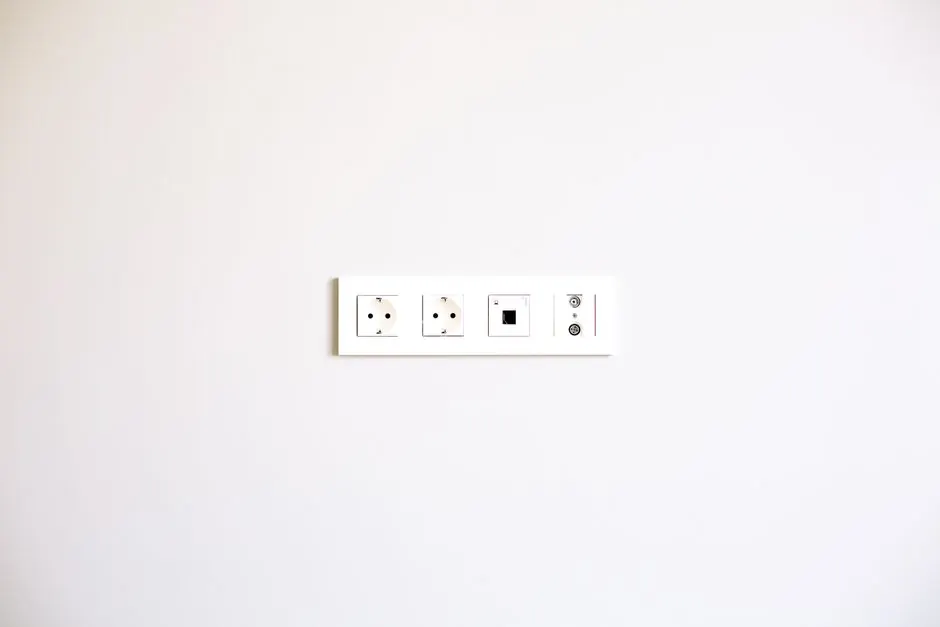
Your outlet is sparking after a fire because heat, soot, or firefighting water damaged the wiring and the outlet itself, and the circuit is now arcing instead of conducting safely. That arcing is a real fire risk, not a cosmetic glitch, and it will not fix itself. In west palm beach, where we respond to kitchen fires, electrical fires, and storm-related blazes year-round, a sparking outlet after a fire is one of the most common calls we get in the first 48 hours. Below we walk through the specific causes, the hidden damage behind the wall, and the exact steps to take before a licensed electrician or restoration crew arrives.
Why an Outlet Sparks After a Fire
An outlet sparks after a fire because the fire's heat melts the insulation on the wires feeding that box, and once bare copper touches bare copper, you get an arc every time the circuit energizes. Electrical fire damage repair is the category of work that addresses this, and it is almost always more than swapping the receptacle. The heat from even a small fire can travel inside the wall cavity and cook the Romex or conduit for 10 to 15 feet in either direction.
There are four failure modes we see repeatedly:
- Melted conductor insulation. NM-B cable is rated to 90°C (194°F) in dry conditions. A fire that reaches 400°F at the ceiling line will degrade that insulation in minutes.
- Charred wire nuts and backstab connections. The push-in terminals on the back of a standard 15A receptacle lose tension when heated, and a loose connection is an arc factory.
- Water in the box. Fire hoses push hundreds of gallons into walls. Water plus energized conductors equals short circuits and corrosion.
- Breaker damage. The breaker that fed the fire may have welded closed or tripped internally without visibly moving the handle.
If your home was built before 1990, there is a decent chance the outlet in question is on aluminum branch wiring or cloth-insulated knob-and-tube. Both behave badly after heat exposure. We see this constantly in older blocks near WPB Fire Damage Restoration in El Cid, where 1920s Mediterranean-style homes still have original wiring in parts of the walls.
The Hidden Damage Behind the Wall
The outlet you can see is maybe 10% of the problem. The other 90% is the cable run, the junction boxes, and the framing inside the wall cavity. When we open a wall after a fire, we are looking for three things: heat-scarred sheathing, moisture readings above 16% on a pin meter, and soot deposits on the conductors themselves.
Soot is conductive. That surprises people. The fine carbon residue left by a fire coats the inside of a junction box and bridges the gap between the hot terminal and the grounded metal box. That bridge is enough to trip a GFCI or, worse, to start a slow arc that smolders for hours before it flames.
We use a thermal imaging camera to map the heat path before we cut anything. A typical post-fire inspection in a 1,400-square-foot west palm beach home takes 90 minutes and covers every receptacle, switch, and fixture on the affected circuit plus the two adjacent circuits. If we find damage past the first box, we trace it back to the panel. That is part of the Fire Damage Assessment and Inspection in west palm beach we do on every job before a single board comes down.
How Firefighting Water Makes It Worse
Water from a fire hose turns an electrical problem into a corrosion problem. Within 24 to 48 hours, standing water inside a wall cavity starts dissolving the zinc coating on conduit fittings and the copper strands in the cable. The greenish-white residue you sometimes see on an outlet after a fire is copper chloride, and it means the conductor is already compromised.
This is why we treat every fire job as a water job too. Water damage restoration after firefighting is not optional in a Florida climate where indoor humidity sits at 70% or higher for most of the year. We extract standing water, run desiccant dehumidifiers and air movers for 3 to 5 days, and do not re-energize a circuit until the moisture content in the wall assembly reads below 12%.
If you skip that step and just replace the outlet, you are installing a brand-new receptacle onto corroding wire. It will work for a few weeks and then start arcing again. We have torn out plenty of those.
Is a Sparking Outlet an Emergency?
Yes. A sparking outlet is an emergency because it can ignite the framing inside the wall within minutes, and you have no way to see that fire starting. The National Electrical Code treats arcing as a Class 1 ignition source, the same category as an open flame.
Here is how to triage it in the first 60 seconds:
- Do not touch the outlet. Do not unplug anything from it.
- Go to your panel and switch off the breaker that controls that circuit.
- If you cannot identify the breaker, switch off the main.
- Smell for burning plastic near the wall. If you smell it, leave the house and call 911.
- Once the breaker is off, call a licensed electrician and a restoration company.
We get calls at 2 a.m. from homeowners in WPB Fire Damage Restoration in Downtown West Palm Beach who did exactly the right thing: killed the breaker, stepped outside, and called. That sequence prevents most post-fire re-ignitions.
What to Do Before Help Arrives
While you wait, keep the circuit dead and keep people away from the wall. Do not run extension cords from another room to power a fridge or a lamp through the damaged circuit. Do not tape over the outlet. Do not spray anything into it.
What you can do:
- Photograph the outlet, the wall, and the panel before anything is moved. Your insurance adjuster will want those.
- Write down the date and time you first noticed the sparking.
- Move furniture 3 feet back from the wall so the technician has clear access.
- If there is visible water in the wall, shut off the water main too.
If the fire was large enough that the fire department responded, they may have already pulled the meter or tagged the panel. Leave those tags in place. Cutting them off before an inspection is a code violation and can void your claim.
Common Mistakes Homeowners Make
The single most expensive mistake is resetting the breaker and hoping the spark was a one-time thing. It never is. An arcing fault leaves carbon tracking on the conductor, and carbon tracking gets worse every time current flows through it.
Other mistakes we see on almost every job:
- Replacing only the outlet. The wire behind it is the problem. A new $3 receptacle on damaged wire is a $3 fire starter.
- Using a space heater or window AC on the affected circuit. Those pull 12 to 15 amps continuously and will find the weak spot in the wire within an hour.
- Painting over soot. Soot bleeds through latex paint in 2 to 3 weeks. It also hides the evidence your adjuster needs.
- Skipping the air quality test. Post-fire air in a closed Florida home can hold volatile organic compounds at 5 to 10 times outdoor levels for weeks.
- Letting a handyman do the electrical work. In Florida, any work inside a wall on a branch circuit requires a licensed electrical contractor.
We also see homeowners try to clean soot themselves with a wet rag. That just pushes the carbon deeper into the drywall paper. Professional soot removal and cleaning uses dry chemical sponges first, then a HEPA vacuum, then a wet wipe with a pH-balanced cleaner. The order matters.
When to Call a Professional
Call a professional the moment you see a spark, smell burning, or find soot around an outlet. There is no safe DIY version of this repair. The work involves opening the wall, testing every conductor on the circuit, replacing damaged cable, and then verifying the repair with an insulation resistance test before the circuit goes back online.
Our team at WPB Fire Damage Restoration handles the full sequence: assessment, board-up if the wall is open to the exterior, electrical repair coordination, soot and smoke cleanup, and reconstruction. We work directly with your insurance adjuster so you are not stuck translating between three contractors.
If the fire was in a commercial space, the stakes go up. Commercial fire damage restoration west palm beach FL jobs involve three-phase power, fire alarm panels, and code-required inspections before the space can reopen. We have handled those in the Clematis Street District and around CityPlace, and the process is different enough that you want a crew that has done it before.
One more thing: if your home has had more than one fire in the same area, or if the outlet that sparked is on a circuit that has tripped more than twice in a year, tell the electrician. That pattern points to a systemic wiring problem, not a one-off event.
Frequently Asked Questions
How long after a fire can an outlet start sparking?
Most sparking starts within 24 to 72 hours, once the circuit is re-energized and heat-damaged insulation fails under load. Some cases show up weeks later when corrosion from firefighting water finally bridges a connection. If the breaker was never turned off, sparking can begin the same day.
Can I just replace the outlet myself and move on?
No. The outlet is rarely the failed component. The wire feeding it is heat-damaged or wet, and a new receptacle on bad wire will arc again. In Florida, branch-circuit work inside a wall requires a licensed electrical contractor, and your insurance claim may be denied if unpermitted work is found.
Will my insurance cover outlet repair after a fire?
Yes, in most cases. Fire damage policies typically cover the electrical repair, the wall opening, and the reconstruction as one claim. You will pay your deductible, and the rest is covered up to your policy limit. Keep every receipt and photograph everything before work begins.
How much does electrical fire damage repair cost in west palm beach in 2026?
Typical 2026 pricing in this area runs $450 to $1,200 for a single-circuit repair with wall access, and $3,500 to $9,000 when the damage extends to the panel or multiple rooms. Full reconstruction after a kitchen fire usually lands between $18,000 and $45,000 depending on cabinet and countertop replacement.
What if the outlet is sparking but the breaker did not trip?
That is the most dangerous scenario. A breaker that does not trip on an arcing fault is either undersized, welded closed, or the wrong brand for the panel. Turn off the main immediately and have an electrician inspect the entire panel before you re-energize anything.
Get Help with WPB Fire Damage Restoration in west palm beach
A sparking outlet after a fire is a same-day problem, not a next-week problem. We handle the assessment, the electrical repair, the soot and water cleanup, and the rebuild, and we work directly with your insurance company so you are not chasing three different contractors. Call WPB Fire Damage Restoration at +1 (561) 562-7610 and we will get a technician to your door.