How to prepare your West Palm Beach home for hurricane season fire risks
Hurricane season in West Palm Beach brings a hidden fire threat: backup power, storm surge, and stressed wiring. Here's how to prepare your home before the next storm.
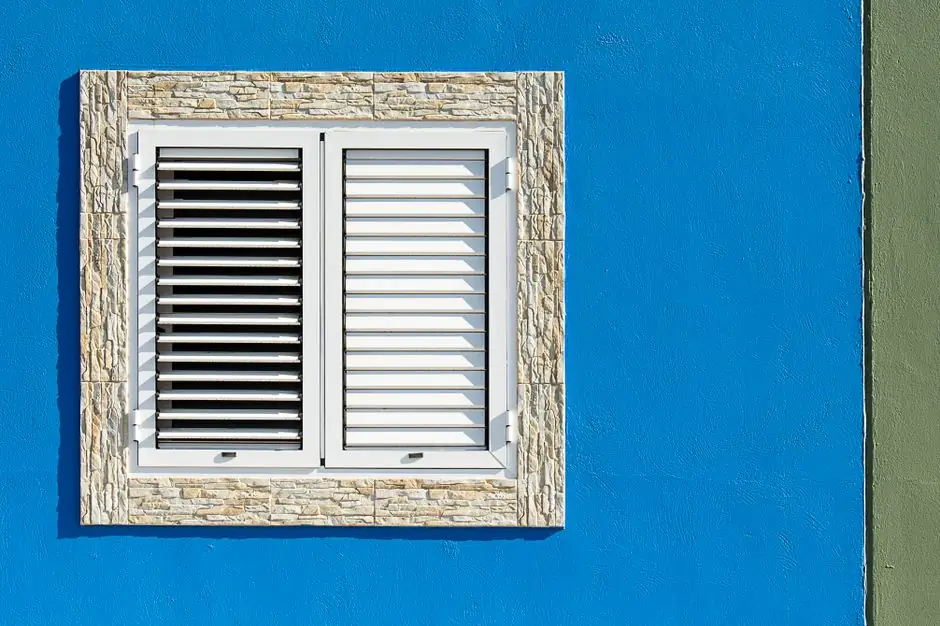
Hurricane season fire risks in West Palm Beach spike because storms force homeowners to rely on generators, candles, and stressed electrical systems all at once - and the same salt air that corrodes your shutters also eats away at wiring insulation. The two biggest ignition sources we see after a storm are portable generators running too close to the house and electrical panels that were already compromised before the first gust hit. This guide walks through the prep work that actually prevents fires, from generator placement to battery storage, plus what to do if a fire does start.
Why hurricane season creates fire risks in West Palm Beach homes
West Palm Beach sits in a hurricane zone that runs June 1 through November 30, with the highest activity typically from mid-August through late October. When a storm knocks out power - and it usually does - homes switch to backup sources that were never designed for continuous use. That's when fires start.
We've responded to calls in the days after storms where a generator ran for 14 hours straight in a garage, overheated, and ignited stored gasoline. We've also seen electrical panels in older homes - especially those built before 1990 - arc when power returns because corrosion from salt air had already weakened the connections.
The National Fire Protection Association reports that portable generators cause roughly 4,000 house fires each year, and most of those happen during or right after severe weather. In West Palm Beach, the combination of older housing stock, salt corrosion, and storm-driven power surges makes that number worse.
How do you prepare a generator safely before a storm?
Place your generator at least 20 feet from your home, with the exhaust pointed away from windows, doors, and vents - never in a garage, carport, or screened lanai. That single rule prevents more fire and carbon monoxide incidents than any other step.
Before the storm arrives, run your generator for 30 minutes under load to confirm it works and to burn off old fuel. Stale gasoline - anything older than 30 days without stabilizer - can clog the carburetor and cause the engine to overheat. Store fresh fuel in approved containers, no more than 5 gallons at a time, and keep them in a detached shed or garage away from the generator itself.
If you're using a whole-home standby generator, have it serviced before June 1. A certified technician should check the transfer switch, fuel lines, and battery. We've seen transfer switches fail during outages and backfeed power into the grid, which can electrocute line workers and start fires inside the panel.
- Run portable generators outside only, 20+ feet from any structure.
- Never refuel a generator while it's running or still hot.
- Keep a Class B fire extinguisher within 10 feet of the unit.
- Let the generator cool for 15 minutes before refueling.
Electrical panels, surge protectors, and salt air: the hidden ignition sources
Salt air in West Palm Beach corrodes electrical panels, outlets, and wiring connections faster than in inland Florida. Before hurricane season, open your panel - or have an electrician do it - and look for white or green residue on the breakers. That's corrosion, and it creates resistance that turns into heat.
Whole-home surge protectors are worth the $300-$800 installed cost in 2026. They divert the massive voltage spikes that happen when power returns after an outage. Without one, a surge can arc inside your panel and ignite the surrounding framing. We've seen it happen in WPB Fire Damage Restoration in Downtown West Palm Beach where older commercial-residential buildings share aging infrastructure.
Check every GFCI outlet in your kitchen, bathrooms, and garage. These fail silently. Press the test button - if it doesn't click off, replace it. A failed GFCI won't trip during a ground fault, and that's a fire waiting for the right conditions.
If your home was built before 1970, your wiring may be aluminum or cloth-insulated. Both are fire hazards under the best conditions. Add hurricane season stress and they become genuinely dangerous. An electrician can inspect and, if needed, we handle the Electrical Fire Damage Repair in west palm beach after an incident.
What should you do with propane, gasoline, and lithium batteries before landfall?
Store propane tanks - including the small 1-pound camping cylinders - outside, upright, and at least 10 feet from your home. Heat from a storm or a generator exhaust can cause them to vent or rupture. Never store them in a garage attached to the house.
Lithium-ion batteries are the newest fire risk we're seeing. E-bikes, power tools, and backup battery packs can go into thermal runaway if they're damaged by water or heat. Before a storm, move them to a dry, cool interior room - not the garage, not a shed. If a battery gets wet, don't charge it. Move it outside, away from anything flammable, and let it dry for 48 hours before you even think about plugging it in.
Gasoline for your generator should be stored in approved containers with tight caps. Keep no more than 10 gallons total on the property. If you smell gas at any point, evacuate and call 911 - don't hunt for the leak.
After the storm passes, if you've had any fire or smoke event, call us for Smoke Damage Removal in west palm beach. Smoke residue is acidic and starts corroding electronics and metal fixtures within 72 hours.
Storm shutters, roof tarps, and the fire risks of DIY boarding
Improperly installed plywood shutters can trap heat against windows and ignite curtains inside. Leave a 1-inch gap at the top and bottom of each panel for airflow. If you're using polycarbonate panels, follow the manufacturer's spacing - usually 12 to 18 inches between fasteners.
Roof tarps after a storm are a temporary fix, not a permanent one. We see homeowners leave blue tarps up for months. The tarp traps moisture against the roof deck, which rots the wood and creates a perfect environment for mold - and if there's any electrical wiring running through the attic, that moisture can cause a short. If you need emergency roof protection, our Board-Up and Roof Tarping Services in west palm beach install tarps correctly and document the damage for your insurance claim.
Never use candles during a power outage if you have pets or children. Battery-powered lanterns are safer and cheaper than a fire claim. If you must use candles, keep them on a metal tray, away from curtains, and never leave them burning when you leave the room.
Common mistakes West Palm Beach homeowners make during hurricane prep
The most expensive mistake is running a generator in the garage "just for a few minutes" during heavy rain. That's how fires start. The second most common is ignoring the smell of burning plastic from an outlet or panel - that's your warning, and it usually comes 24 to 48 hours before a fire.
Other mistakes we see every season:
- Storing gasoline next to the generator while it's running.
- Using extension cords that are undersized for the load - they overheat and melt.
- Plugging a portable generator into a dryer outlet without a transfer switch. This backfeeds the grid and can kill a lineman.
- Leaving lithium batteries on chargers during a storm.
- Ignoring flickering lights after power returns. That's a sign of a loose neutral or a failing panel.
If you notice any of these signs after a storm, call a licensed electrician before you turn the power back on. We handle the aftermath - Emergency Fire Damage Restoration in west palm beach - but preventing the fire is always cheaper than restoring the home.
When to call a professional
Call us when you smell smoke after a storm, when your panel is warm to the touch, or when you've had any fire - even a small one - because smoke residue travels through your HVAC system and settles in every room. We assess the damage, board up what needs boarding, and handle the insurance paperwork.
Our team at fire damage restoration west palm beach responds 24/7 during hurricane season. We've worked in homes across El Cid, CityPlace, and the Clematis Street District, and we know how salt air and storm surge change the restoration process. If you're not sure whether you need help, call us and we'll tell you honestly.
Frequently Asked Questions
How far should a generator be from a West Palm Beach house?
At least 20 feet from any wall, window, or vent, with the exhaust pointing away. In West Palm Beach's tight lots, that often means the side yard or driveway. Never run it in a garage or carport, even with the door open.
Can hurricane storm surge cause a fire?
Yes. Saltwater flooding corrodes electrical connections and can short circuits when power returns. If your home flooded, have an electrician inspect the panel and wiring before you turn the main breaker back on. We handle the fire damage if a short ignites.
How long does smoke damage restoration take after a hurricane fire?
Most residential smoke damage takes 3 to 7 days to remediate, depending on square footage and how far the smoke traveled. Homes with HVAC contamination take longer - usually 7 to 10 days - because we clean every duct and vent.
Does homeowners insurance cover hurricane-related fire damage in Florida?
Yes, in most cases. Florida homeowners policies typically cover fire damage regardless of whether the fire started during a named storm, though hurricane deductibles may apply. We document everything and work directly with your adjuster to support the claim.
What should I do first after a small fire during a storm?
Get everyone outside, call 911, and don't re-enter until the fire department clears the structure. Once it's safe, call us at +15615627610. We'll board up openings, remove smoke residue, and start the insurance documentation the same day.
Get help with WPB Fire Damage Restoration in west palm beach
If a hurricane-season fire has damaged your home, we're ready to help. Our team handles everything from emergency board-up to full reconstruction, and we work with your insurance company from day one.
Call +1 561-562-7610 now. We answer 24/7 during storm season, and we'll tell you exactly what to do before we arrive.