How to clean smoke damage from furniture and clothes
Smoke residue keeps damaging fabric and upholstery long after the fire is out. Here's how to clean furniture and clothes safely, and when to call in a pro.
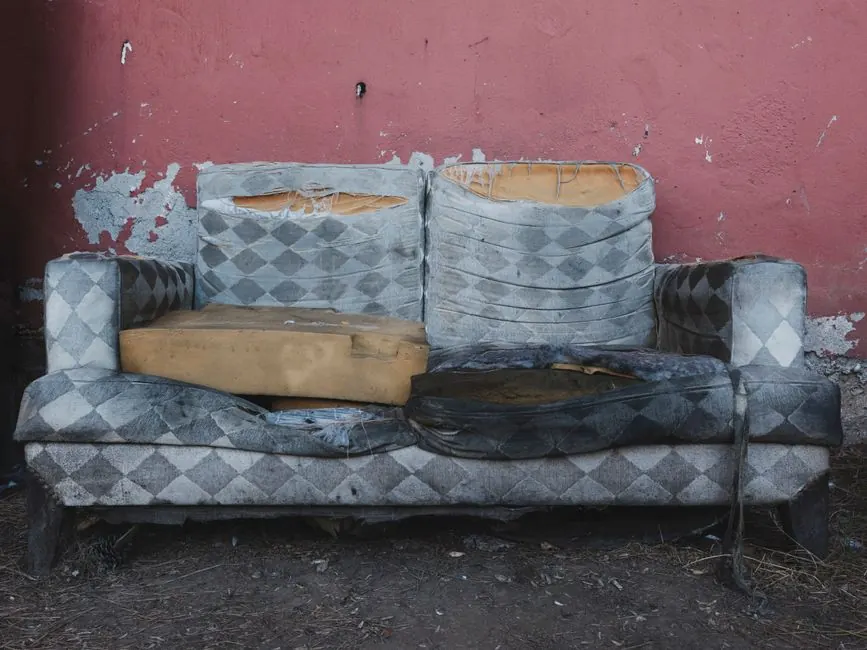
Smoke damage on furniture and clothes is acidic soot and oily residue that bonds to fabric fibers within hours and keeps etching them until it's removed. You can clean most washable clothing and lightly soiled upholstery yourself with dish soap, vinegar, and a HEPA vacuum, but anything with heavy residue, protein smoke from a kitchen fire, or a persistent odor needs professional treatment. This guide walks through what actually works, what makes it worse, and when to stop scrubbing and call us.
We handle this every week in west palm beach, from Clematis Street condos to El Cid bungalows, and the pattern is always the same: the fire is out in an hour, the smoke damage is still working three weeks later.
Why smoke damage gets worse if you wait
Smoke residue in west palm beach homes is acidic, and it doesn't sit still. Within the first 24 to 72 hours, soot particles bond to upholstery fibers and painted surfaces, and the acids start etching. After a week, the yellow staining on white walls and light fabrics becomes permanent.
Odor tells the same story. The smell you notice on day one is the easy part. The smell you notice on day thirty is coming from residue that has soaked into foam cushions, mattress ticking, and the back side of drapery. Surface wiping won't reach it.
Two things make it worse fast in South Florida. First, humidity. Our average relative humidity runs 70 to 80 percent most of the year, and that moisture reactivates smoke odor every time the AC cycles off. Second, heat. A closed-up house in October can hit 95°F inside, and heat drives residue deeper into porous materials.
If your home also took water from firefighting hoses, you're dealing with a compound problem. We see it constantly on Water Damage Restoration After Firefighting in west palm beach jobs, where wet drywall and smoke residue create a musty, sour smell that no amount of fabric spray will fix.
What you need before you start cleaning
Gather these before you touch anything. Working without them just spreads soot around the room.
- Nitrile gloves and an N95 or P100 respirator. Soot particles are 2.5 microns and smaller, which is fine enough to reach the deepest part of your lungs.
- A HEPA vacuum. A standard shop vac or household vacuum blows fine soot straight back into the air. HEPA filtration captures 99.97 percent of particles at 0.3 microns.
- Two buckets and microfiber cloths. One for cleaning solution, one for rinse water. Change the rinse water every 10 to 15 minutes.
- Dish soap, white vinegar, and rubbing alcohol. That's the whole chemistry kit for most jobs. Skip bleach on fabric.
- Dry cleaning sponges (the vulcanized rubber kind) for walls and wood before you introduce any liquid.
Open windows and run box fans outward, not inward. You want air moving out of the affected room, not through the rest of the house. If your HVAC has been running since the fire, the residue is already in the ductwork - that's a separate job, and we cover it under HVAC System Cleaning After Smoke Damage in west palm beach.
How do you clean smoke damage from upholstered furniture?
You clean upholstered furniture by vacuuming first, then dry-sponging, then applying a mild detergent solution in small sections and blotting - never soaking. The order matters more than the products.
- Vacuum the whole piece with the HEPA attachment. Go slow. Cushions, seams, under the skirt, the back panel. This alone removes 60 to 70 percent of loose soot.
- Dry-sponge the surface. A dry cleaning sponge lifts the oily film that vacuuming leaves behind. Use a fresh sponge face as it loads up.
- Mix one teaspoon of dish soap in a quart of warm water. That's it. More soap means more residue, and more residue means more odor.
- Test on a hidden area - under the cushion or the back of the arm. Wait 10 minutes and check for color bleed or fiber damage.
- Blot, don't rub. Work a 12-inch square at a time. Rinse with a clean damp cloth, then blot dry with a towel.
- Air-dry with a fan. Don't put cushions back until they're fully dry, or you'll trap moisture and grow mold.
For odor that survives the wash, spray a 50/50 white vinegar and water mix lightly over the fabric and let it dry. The vinegar smell disappears in a few hours and takes the smoke smell with it. For a heavier job, sprinkle baking soda, let it sit 24 hours, then vacuum.
What you should not do: saturate the cushion, use a steam cleaner on wool or silk, or reach for bleach. Bleach on smoke residue creates a chemical reaction that can set the stain and damage the fiber.
How do you remove smoke smell from clothes and washable fabrics?
You remove smoke smell from clothes by washing them in cold water with a half-cup of white vinegar added to the rinse cycle, then air-drying outside. Heat from a dryer sets smoke odor into the fabric, so skip the dryer until the smell is gone.
Here's the sequence that works:
- Sort by fabric type. Cottons and synthetics first. Wool, silk, and anything dry-clean-only go in a separate pile for the dry cleaner.
- Shake everything outside. Do this before it comes in the house. You'll knock off loose soot that would otherwise end up in your washer.
- Run a cold wash with your normal detergent plus one cup of white vinegar. Vinegar neutralizes the alkaline compounds in smoke residue.
- Sniff before drying. If it still smells, wash again. Once it's dry and set, it's much harder to remove.
- Air-dry in the sun if you can. Sunlight and fresh air do more for smoke odor than any product on the shelf.
For a stubborn load, add half a cup of baking soda to the wash. For delicates, hand-wash in cool water with a teaspoon of dish soap and a tablespoon of vinegar, then rinse twice.
One warning: don't mix smoke-damaged clothes with clean laundry. The residue transfers in the wash water and you'll end up with a whole load that smells like the fire.
Hard surfaces, wood, and leather need a different approach
Wood furniture and leather absorb smoke differently than fabric, and water is your enemy on both. On finished wood, wipe with a cloth dampened with a few drops of dish soap in warm water, then dry immediately. On unfinished wood, use a dry cleaning sponge only - moisture raises the grain and can lift the finish.
Leather needs a pH-balanced leather cleaner and a soft cloth. Test on the underside first. Smoke residue on leather is oily, so you'll likely need two or three passes, drying between each one. Follow with a leather conditioner to replace the oils the smoke stripped out.
For painted walls and ceilings, dry-sponge first, then wash with a mild detergent solution, working top to bottom. Change your rinse water often. If the paint is flat or the staining is yellow, you're looking at a repaint - smoke staining on flat paint doesn't wash out. That's part of the reason we bundle Drywall and Painting After Fire Damage in west palm beach into most of our restoration jobs.
What to watch out for
Most DIY smoke damage cleaning goes wrong in one of five ways. Watch for these:
- Using a regular vacuum. It aerosolizes soot and pushes it into every room of the house. If you don't have a HEPA unit, don't vacuum at all until a pro does it.
- Over-wetting upholstery. A damp cushion dries in a day. A soaked one grows mold in 48 to 72 hours in our climate.
- Skipping the dry-sponge step. Liquid on top of oily soot just smears it deeper into the fiber.
- Using bleach on fabric or wood. It sets stains and destroys finishes.
- Assuming the smell is gone because you can't smell it. Nose fatigue is real. After 20 minutes in the room, you stop registering the odor. Step outside for 10 minutes, then walk back in.
Protein smoke - the kind from a kitchen fire - is the worst offender. It's invisible, it smells like burnt meat, and it penetrates everything. Standard soap and water won't touch it. That's a job for Smoke Damage Removal in west palm beach with the right chemistry and equipment.
When to call a professional
Call a professional when the fire was more than a small contained flare-up, when the smoke smell has been in the house more than 48 hours, or when you can see visible soot on walls, ceilings, or the inside of cabinets. Those are the three signals that DIY cleaning will cost you more time than it saves.
We also get called when the homeowner has already tried cleaning and made it worse - usually by over-wetting a couch or running a shop vac through the house. That's recoverable, but it takes longer and costs more than if we'd started on day one.
At WPB Fire Damage Restoration, we start with a room-by-room assessment, then handle the fabric, upholstery, and hard-surface cleaning in one pass. We use hydroxyl generators and ozone treatment for odor, not just surface sprays. If your furniture or clothing is heavily affected, we can pack it out, clean it at our facility, and store it until your home is ready - that's our Content Cleaning and Pack-Out in west palm beach service, and it's often the difference between saving a sofa and replacing it.
For anything beyond a single room, you're looking at a full scope that includes soot removal, odor treatment, and often reconstruction. Our fire damage restoration west palm beach team handles the whole sequence, from emergency board-up through final paint.
Frequently Asked Questions
How long does smoke smell last in furniture?
Untreated smoke odor in upholstered furniture can last 6 to 12 months or longer, and it reactivates every time humidity rises. In South Florida, where indoor humidity often sits above 60 percent, the smell can come back seasonally for years. Professional ozone or hydroxyl treatment typically clears it in 1 to 3 days.
Can I wash smoke-damaged clothes in a regular washing machine?
Yes, for washable fabrics. Use cold water, normal detergent, and one cup of white vinegar. Run the load twice if the smell persists, and air-dry rather than using the dryer. Dry-clean-only items - wool, silk, structured jackets - should go to a dry cleaner that handles smoke-damaged garments.
Does vinegar really remove smoke smell?
Vinegar neutralizes the alkaline compounds in smoke residue, which is why it works. A 50/50 white vinegar and water spray handles light odor on fabric and hard surfaces. For heavy residue that's soaked into foam or ductwork, vinegar only masks the problem temporarily - you need extraction or ozone treatment.
How much does professional smoke damage cleaning cost in west palm beach?
Typical 2026 pricing in this area runs $500 to $1,500 for a single affected room, and $3,000 to $10,000 for a whole-home job with content pack-out and odor treatment. Most homeowner insurance policies cover smoke damage cleaning as part of the fire claim.
Is smoke damage on furniture dangerous to my health?
Yes, if it's left untreated. Soot particles under 2.5 microns lodge deep in the lungs, and smoke residue from synthetic materials can contain formaldehyde, benzene, and other irritants. Children, older adults, and anyone with asthma or COPD should stay out of a smoke-affected room until it's been cleaned and aired.
Get help with WPB Fire Damage Restoration in west palm beach
If your furniture, clothing, or whole home still smells like smoke, we can assess it today and give you a straight answer on what's salvageable. Call WPB Fire Damage Restoration at +1 (561) 562-7610 and we'll schedule a walkthrough.